
Urology
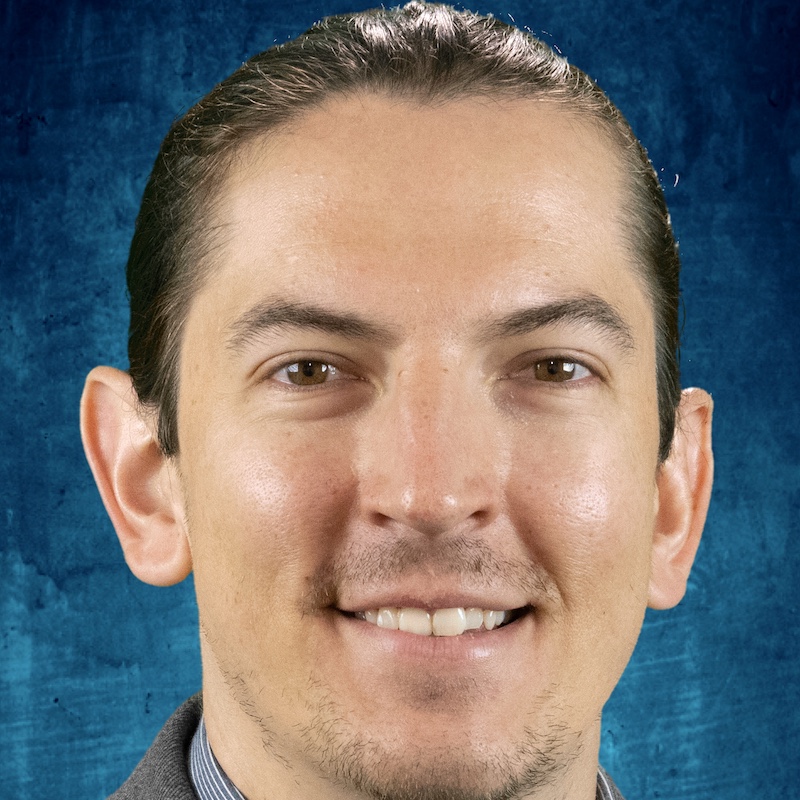
Assistant Professor
Associate Program Director, Pediatric Urology Fellowship
Department of Urology
shane.batie@utsouthwestern.edu (Preferred method of contact)
Support Staff
Angelia Martin
angelia.martin@utsouthwestern.edu
About the Specialty
Urology is a dynamic surgical specialty that blends advanced operative interventions with long-term medical management. As a field, it offers diverse practice scope, allowing you to master cutting-edge technologies like robotic surgery, endourology, and microsurgery while treating a vast patient demographic spanning all ages and genders. Urologists address critical conditions ranging from oncology and reconstruction to infertility and stones, enjoying a high degree of clinical autonomy and a historically strong quality of life. For medical students seeking a perfect harmony between the immediate gratification of the operating room and the meaningful, lasting relationships of continuity of care, urology provides an unmatched and deeply rewarding career path.
Answers to Common Questions
- Attributes of a Competitive Student
What factors typically make a student competitive for this specialty?
Ideally, urological research, grades in the top 50% of class, and quality letters of recommendation, including during away rotations.
- Research
How important is research experience in your specialty? If important, does it need to be in the specialty itself?
Research experience is important, however it is gained. Specialty specific research is a plus.
- Shadowing
How can students identify opportunities for shadowing?
The medical student urology interest group has access to a Google form that can be submitted to arrange for shadowing opportunities. Please contact the Program Director for more information. Talk to any of us!
- Electives
What electives would you recommend to a student who is interested in pursuing your specialty?
General surgery and Urology.
Based on your experience, what tips do you have for students to shine on your electives?
Be engaged, be prepared, and know about the patients and disease processes for whom you follow.
- Away Rotations
Does your specialty recommend doing away rotations?
Yes.
If your specialty recommends doing away rotations, how many "aways" do you recommend?
Many students complete a home rotation and two "away" rotations.
If away rotations are necessary, when should they apply and when should they be completed?
Applications are typically in Spring of third year, with rotations being completed June/July/August/September.
- Interview Timing
Which month do you recommend taking off to interview?
Rather than taking off an entire single month, most applicants strategically request flexible time off, light rotations, or elective blocks spanning November and December to accommodate interview dates.
- Letters of Recommendation
How many letters of recommendation are needed to apply to your specialty?
Three
Does your specialty recommend that all letters of recommendation be written by members of your specialty?
It is preferred, though letters outside of the specialty from someone who is very familiar with generalizable attributes are also beneficial.
If letters can come from other disciplines, do you have a recommendation as to which disciplines are more highly valued?
See above.
Does the academic rank of the letter writer matter?
Not specifically, though it is common to obtain letters from Chairs or program directors.
Does your specialty require a letter from the chairman?
Urology residency does not have a universal requirement for a Department Chair letter, though it remains a common practice and individual programs may occasionally request one.