
Radiation Oncology
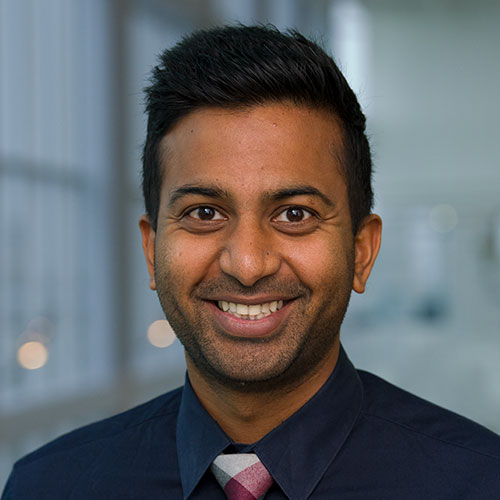
Associate Professor
Residency Program Director
Chief of Lymphoma/Pediatrics Radiation Oncology Service
Department of Radiation Oncology
Additional Contacts
Contact support staff to schedule a meeting:
Karyn Armstrong
Karyn.Armstrong@UTSouthwestern.edu
About the Specialty
Radiation oncology is a discipline that you train for directly after medical school (one year of general medicine internship followed by four years of rad onc residency) and involves direct patient care using radiation to treat cancers or less commonly benign conditions. We are a data-driven and research-focused specialty that works in interdisciplinary teams with medical oncology, surgery, radiology, nuclear medicine, and other specialties to take care of cancer patients. Most of our time is in clinic directly interacting with cancer patients, but there is also some dedicated time doing radiation treatment planning on computers and attending multidisciplinary tumor boards. It is a very gratifying career helping cancer patients that allows for good work-life balance with rare emergencies or needing to work outside of regular business hours.
Answers to Common Questions
- Attributes of a Competitive Student
What factors typically make a student competitive for this specialty?
Letters of rec are most important given that it is such a small specialty, but also research, clinical grades, and Step scores.
- Research
How important is research experience in your specialty? If important, does it need to be in the specialty itself?
Quite important, with rad/onc-specific research preferred but not necessary.
- Shadowing
How can students identify opportunities for shadowing?
E-mail or text me directly; can also reach out to Dr. Arbab (APD).
- Electives
What electives would you recommend to a student who is interested in pursuing your specialty?
Surg Onc, Med Onc, Interventional Radiology, Radiology
Based on your experience, what tips do you have for students to shine on your electives?
In rad onc elective, coming to clinic prepared is most important. Read extensively about the patients you are picking up/presenting, knowing their full oncology history well and brainstorming a recommendation in terms of radiation ahead of time. Also, just come genuinely interested in learning, and try to be as helpful to residents and faculty as possible.
- Away Rotations
Does your specialty recommend doing away rotations?
Yes, but not absolutely required if there is a specific reason why cannot be completed.
If your specialty recommends doing away rotations, how many "aways" do you recommend?
One to two, (besides UT Southwestern).
If away rotations are necessary, when should they apply and when should they be completed?
Start thinking about it November to December the year before, but most applications will go out January through April the year of.
- Interview Timing
Which month do you recommend taking off to interview?
November to December
- Letters of Recommendation
How many letters of recommendation are needed to apply to your specialty?
Three letters of recommendation are required.
Does your specialty recommend that all letters of recommendation be written by members of your specialty?
Majority should be from rad onc, but can have one from outside.
If letters can come from other disciplines, do you have a recommendation as to which disciplines are more highly valued?
Medicine, surgery, or anything else; discipline does not matter as much as how well the person knows student.
Does the academic rank of the letter writer matter?
Somewhat.
Does your specialty require a letter from the chairman?
No.