
Orthopaedic Surgery
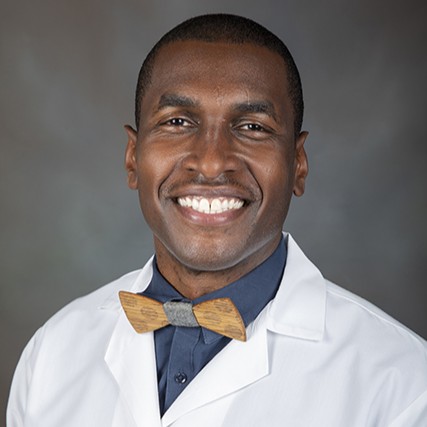
Associate Professor, Associate Residency Program Director
Department of Orthopaedic Surgery
About the Specialty
Orthopaedic surgeons are the experts of the musculoskeletal system. We take care of injuries, deformities, and tumors of the muscle and bone from the cervical spine down to the toes. Very few of our procedures actually save lives. The majority of our procedures help patients return to a quality of life that they can enjoy again.
Contact information:
Medical students interested in this specialty should contact support staff Donna Williams via donna.williams@tsrh.org to schedule a meeting.
Answers to Common Questions
- Attributes of a Competitive Student
What factors typically make a student competitive for this specialty?
Looks at the NRMP Charting Outcomes Document. I also would encourage students to do their research about various orthopaedic surgery programs via the AOA/CORD Orthopaedic Residency Information Network (ORIN®).
- Research
How important is research experience in your specialty? If important, does it need to be in the specialty itself?
It is mandatary to have orthopaedic research. While a publication is always great, we know that is difficult to come by. At the very least, you need to have projects in progress that are orthopaedic in nature. Remember, a major benefit of the research is also building relationships with the faculty you are working with.
- Shadowing
How can students identify opportunities for shadowing?
Shadowing opportunities are often available through the Orthopaedic Surgery Interest Group (OSIG) and through direct communications with our residents. Opportunities are present also to shadow some faculty across the UTSW, Children's Medical Center, and Scottish Rite campuses.
- Electives
What electives would you recommend to a student who is interested in pursuing your specialty?
I would recommend a formal sub-internship rotation (our home students can do this outside of VSAS applications).
Based on your experience, what tips do you have for students to shine on your electives?
Orthopaedic surgery is a team sport. You have to figure out how to be a team player. Having high step scores and research doesn't making you do well on electives. Seeing where the team has a need and filling that need is a great start to being a team player. No job should be too insignificant. Think about what you can do to help speed along turn overs, or help your resident get through all the ER consults, or help the residents on their morning rounds. If the resident has to give you step by step instructions on how to be helpful, you've already lost the sub-I/elective game.
- Away Rotations
Does your specialty recommend doing away rotations?
Absolutely. You have the highest chance of matching where you do rotations at (especially if you do well).
If your specialty recommends doing away rotations, how many "aways" do you recommend?
At least 2 to 3 rotations. Ideally you will want to perform at your best on each rotation, however, make sure you understand when your performance usually "peaks." If you get better as time goes on, put your dream program at the end. If you are stronger at the beginning and then fizzle out at the end, put your dream program at the beginning.
If away rotations are necessary, when should they apply and when should they be completed?
You should apply the minute VSAS opens up, or earlier for programs that don't participate in VSAS.
- Interview Timing
Which month do you recommend taking off to interview?
Most orthopaedic interviews start in December and continue on into January and February. Not sure I would take off "months," but choose rotations that offer flexibility. Many orthopaedic interviews are in person now.
- Letters of Recommendation
How many letters of recommendation are needed to apply to your specialty?
It is variable, but at least 2 or 3. You need 1 to 2 from your home program, and leave space for LORs you might get from aways that you did really well on.
Does your specialty recommend that all letters of recommendation be written by members of your specialty?
Yes! Do not include a LOR from someone who is not an orthopaedic surgeon, period.
If letters can come from other disciplines, do you have a recommendation as to which disciplines are more highly valued?
I would recommend your LORs some from orthopaedic surgeons. You could risk LORs from "ortho-adjacent" specialties like neurosurgery and plastic surgery.
Does the academic rank of the letter writer matter?
No. It matters much more that their letter makes it clear that they have a relationship with you enough to speak to the quality of your application.
Does your specialty require a letter from the chairman?
The specialty does not, but some specific programs might.